Home Field postings Water Damage Mold Remediation
SERVPRO of Manchester: Evaluating Water Damage and Mold Remediation
A practical guide to evaluating moisture sources, inspection boundaries, containment, and written remediation scope for Manchester properties.
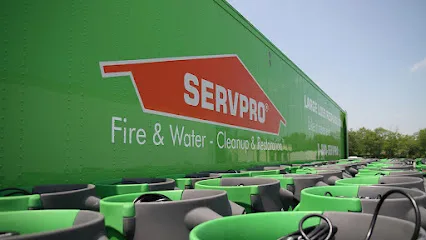
When a Manchester property develops a musty odor, staining, or visible growth after a leak, the important question is not simply who can clean it fastest. The better question is whether the proposed mold remediation matches the moisture source, affected materials, and access limits of the property. SERVPRO of Manchester is listed in the category Water Damage Mold Remediation, giving homeowners and property managers a starting point for discussing scope rather than relying on a broad service label.
The provider’s listed address is 571 Holt Ave, Manchester, NH 03109, United States. Its official location page describes water damage restoration, mold inspection, containment, and removal. Those details are useful signals, but they do not replace a project-specific written explanation. Conditions inside a wall, attic, basement, or HVAC-adjacent area can differ substantially even when the visible symptom looks similar.
Water-source details should shape the first scope
Mold is often a symptom of ongoing or recent moisture. A burst pipe, roof intrusion, foundation seepage, condensation, or appliance leak can create a different drying and repair problem. Before discussing removal, record when the water damage occurred, where materials became wet, whether the source has been stopped, and which rooms show odor or discoloration. Photographs and a short timeline can help distinguish an isolated surface concern from a broader building-material issue.
SERVPRO of Manchester’s official page identifies water damage restoration alongside mold services, including response to leaks, floods, and burst pipes. That combination is relevant when mold concerns follow a loss because drying and remediation may need to be coordinated. The provider should explain what the assignment includes, such as moisture mapping, removal of unsalvageable materials, structural drying, cleaning, reconstruction, or referral for work outside the stated scope.
Inspection findings should define affected materials
A useful inspection does more than confirm that mold is present. It should identify the rooms and materials evaluated, visible and suspected areas, moisture observations, and conditions that would expand the work. Ask whether the written scope names drywall, insulation, flooring, framing, contents, or air-handling components separately. Clear boundaries make it easier to understand what will be removed, what will be cleaned, and what remains the owner’s responsibility.
Testing and clearance should be discussed without assuming they are automatically included. Ask whether an independent assessor is recommended, what documentation will be supplied, and how the company defines completion. These questions matter when a property will be sold, occupied by tenants, or submitted to an insurer. A careful scope should identify exclusions and explain how concealed damage or newly discovered moisture would be handled.
Containment planning matters in occupied buildings
Containment becomes a practical planning issue when materials may be disturbed. The conversation should cover how the work area will be separated from occupied space, how dust and debris will be controlled, how workers will access the area, and how removed materials will leave the building. For a basement or multi-room project, ask whether unaffected rooms can remain in use and which surfaces or belongings must be moved before work begins.
The local description references containment and professional safety cleanup, while the official page describes mold inspection, containment, and removal. These are useful signals, not guarantees about every project. The written proposal should connect the containment approach to the affected area and list any equipment, cleaning steps, or reconstruction actually included. A general service description should not be treated as proof that testing, clearance, or every repair is part of the assignment.
Manchester access questions belong in the inquiry
Location and access can affect the practical scope. The listed location is 571 Holt Ave, Manchester, NH 03109, and the service page identifies Manchester as well as nearby communities such as Auburn, Bedford, Goffstown, Pinardville, Parker, and Riverdale. Confirm that the property falls within the current operating area, then describe parking, stairs, tenant coordination, locked rooms, pets, shutoff access, and occupancy constraints. These details help prevent an estimate built on assumptions.
For current service, scheduling, and pricing questions, the listed phone number is +1 603-669-7733. The official website is the SERVPRO of Manchester location page at https://www.servpro.com/locations/nh/servpro-of-manchester?utm_medium=organic&utm_source=gbp. Contact information and availability can change, so check those details directly before arranging an inspection. A concise inquiry can include the moisture timeline, affected areas, photographs, property use, and requested documents.
Compare written scope instead of service slogans
SERVPRO of Manchester has identifiable signals for this use case: a Manchester location, water damage restoration, mold inspection and containment language, and a published service page. The remaining decision depends on the facts of the property. Compare the proposed affected area, moisture-source plan, containment method, documentation, exclusions, schedule, and payment or insurance terms. If the answers are specific and written, the customer can make a more informed remediation choice without assuming that a general promise covers hidden conditions.
More field postings
- Mold Remediation Proof to Demand After Water Damage in Smithfield, RI (SERVPRO) Before mold remediation starts, demand written proof of the moisture source, containment plan, and drying verification—so the work matches w…
- Advanced Cleaning & Restoration’s Worcester Mold Remediation Decisions That Matter For Worcester, MA mold remediation, confirm moisture-source control, containment, project documentation, and drying verification with Advanc…
- ServiceMaster Dynamic Cleaning Mold Remediation Guide for Worcester Homeowners Before remediation in Worcester, confirm how the contractor finds the moisture source, sets containment, documents drying, and verifies the …