Home Field postings Mold Remediation Guides
When Is Mold Testing Worth It—and When Is an Assessment Enough?
Mold testing is most useful when a defined question about a specific place or material could change what you investigate or repair. Learn when an assessment may be more actionable.
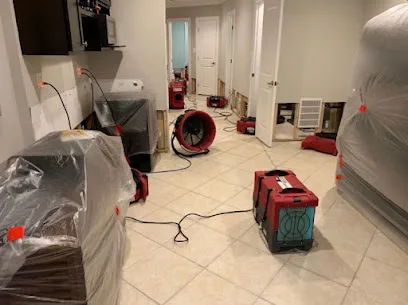
Mold testing is worth considering when you need information about a particular area or material that could change the next step. It is not automatically the best first move whenever mold is suspected. If growth is already visible and the moisture problem is apparent, understanding and correcting the water source and affected materials may be more useful than collecting a sample first. An assessment and a test answer different questions; choosing between them starts with the decision you need to make.
An assessment and a test answer different questions
A visual and moisture assessment looks at building conditions. It may consider visible growth, water staining, damp materials, musty areas, and plausible moisture sources such as a leak or condensation. Its purpose is to develop a picture of where conditions may be occurring and what areas merit attention. It is not the same as laboratory analysis, and an assessment does not necessarily include sampling.
Sampling adds laboratory analysis of material collected from a chosen location. Air, surface, and bulk methods examine different kinds of samples; the method should fit the question, as described below. An assessment can guide where that question may arise, but it is not itself a lab result.
Start with the decision a test could change
When growth is visible and its boundaries and moisture source are reasonably apparent, the practical work may already be clear: address the moisture and determine what affected materials need cleaning, removal, or other remediation. A measurement that merely confirms mold is present may not alter that scope. In that situation, an inspection focused on conditions and the water source can be more actionable than testing for its own sake.
Testing can become more useful when the suspected problem is hidden, the affected area is uncertain, or competing explanations would lead to different next steps. First phrase the unresolved issue precisely: Is there evidence of moisture behind a particular finish? Is a specific room the relevant location to investigate? The presence of an odor alone does not identify its source; note where it occurs and whether nearby materials show dampness, staining, or a history of leaks to focus the inspection.
Match the sampling method to the question
Air, surface, and bulk sampling are not interchangeable. Air sampling collects airborne particles during a defined period. Room conditions, airflow, recent activity, and sampler location can affect what enters a sample, so timing and collection conditions matter when interpreting or comparing results.
A surface sample examines a chosen spot, while a bulk sample analyzes a selected piece of material. Each sample describes only the selected air, surface, or material under the conditions present during collection; it cannot map unsampled parts of a building. A sampling plan should match each method and location to the question—for example, a visible-room sample cannot answer a question about concealed materials.
Use results as one part of a specific decision
Interpret a result in light of the method and exact sampling location. A positive surface result applies to the sampled spot, while an air sample reflects airborne material collected at that time; neither identifies the moisture source. Consider the result alongside visible conditions and moisture evidence when deciding whether a particular area needs further inspection.
Consider a hypothetical room with a persistent musty odor but no visible growth. A useful assessment would first look for evidence of current or past moisture and identify the locations under consideration. If sampling follows, choose a method and collection points tied to the question. The result can then inform whether to inspect a particular area further or address a moisture source identified during the assessment.
Readers comparing local remediation resources can find the PuroClean of Alexandria detail page as a directory reference.
More field postings
- What Mold Containment Does—and What It Does Not Do Understand how containment separates a mold-remediation work area, how it differs from removal and air-management equipment, and what a clea…
- How to Compare Mold-Remediation Estimates That Describe Different Work Compare mold-remediation estimates by matching affected areas, included tasks, work sequence, completion criteria, and conditional costs—not…
- What to Document During Water-Damage Restoration A dated record of damage, drying updates, and restoration work can help you follow water-damage remediation and organize information for lat…