Home Field postings Mold Remediation Guides
Paul Davis Restoration of Greater Buffalo NY: What to Verify in a Mold Remediation Plan Before You Approve the Work
When mold appears after a leak, flood, or damp conditions, the remediation plan should start with the moisture story and include job-specific containment, documentation, and clear next steps.
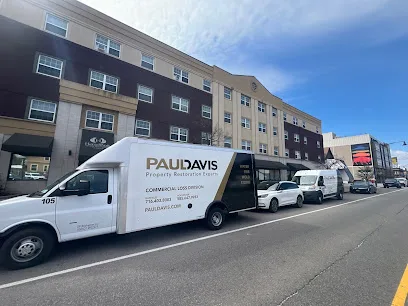
Mold issues don’t start on the drywall surface—they start when moisture gets in and stays there long enough for spores to grow. If you’re contacting Paul Davis Restoration of Greater Buffalo NY (255 Fire Tower Dr, Tonawanda, NY 14150) for mold remediation help, the most important part of the call is aligning the plan with the moisture source and the materials affected.
This article focuses on what to verify so you can judge whether the proposed workflow will actually solve the underlying water-damage problem—not just remove visible growth. Use it as a decision guide before work begins.
Start with the moisture source: does the plan connect the mold to water damage?
On Paul Davis’s website, the process description emphasizes that the team assesses the situation, then “prevent[s] further damage,” begins cleanup/tear out, and starts remodeling when needed. That framing is useful, but your goal is specificity: ask whether their investigation identifies where the moisture came from (for example, a leak, a backed-up drain, storm-related water intrusion, or persistent humidity). If they can’t explain the moisture story in plain language, you’re missing the core of an effective remediation.
Clarify what they will document before demolition
Request a written outline of what evidence they collect during inspection and early stages. At minimum, ask about the observations that support their moisture timeline and the scope triggers (for example, when they recommend removing certain building materials). Even if you’re not dealing with the largest disaster category, a mold plan should still show reasoning, not just steps.
Containment and safety should be job-specific, not generic
Mold remediation is safety work as much as cleanup. Paul Davis publicly discusses emergency response and restoration for disasters, including mold damage, and lists a phone line for help at 716-377-9909. For you as the property owner, the question is whether containment will be tailored to your layout and the affected zones.
Ask how they keep the rest of the home protected
In the real world, containment isn’t a buzzword—it’s the practical barrier system and work practices that reduce cross-contamination during removal. Before approving, ask what containment approach they plan for your specific area: how they separate work zones, how debris is handled, and what safety practices are used while affected materials are being removed.
Expect an end-to-end workflow: stop damage, remediate, then restore
Paul Davis describes a general approach that starts with responding quickly, stopping the damage, beginning cleanup and tear out, and then handling necessary remodeling to complete restoration. For mold, the workflow should reflect two realities: first, mold remediation should follow the water-control timeline; second, restoration should not occur until the problem conditions are addressed.
Verify the sequence and what “complete” means
Ask for the sequence they will follow in your case and how they define “done.” A complete plan typically includes (1) a moisture-control phase, (2) remediation steps for affected materials, and (3) verification/documentation steps before rebuilding. If the plan jumps from teardown to cosmetic fixes without explaining how the moisture problem is eliminated, that’s a red flag.
Know the response expectations before you schedule
Paul Davis states that emergencies can happen anytime and notes 24/7 emergency service availability along with a 30-minute response window on the official page content. Even with that stated availability, mold urgency depends on the moisture duration and whether the area is actively damp.
Confirm contact fit for your exact situation
When you contact them, be ready to describe:
• When you first noticed the problem and whether the area was still wet afterward
• What you suspect caused the water intrusion
• Approximate room/area size and the materials involved (drywall, insulation, flooring, cabinetry, etc.)
• Whether anyone in the home has sensitivities to moldy odors or dust during cleanup (even if you can’t label it medically)
Use the official contact path and insist on a written scope
For local planning, rely on the official business page and direct phone contact rather than third-party scraps. Paul Davis’s website lists help at 716-403-8003 and provides the local service page at https://buffalo.pauldavis.com/?utm_source=google&utm_medium=organic&utm_campaign=GMBListing-Tonawanda-NY. Before work starts, ask for a written scope that matches what you discussed: inspection approach, containment expectations, remediation scope, and the restoration trigger points.
The bottom line: if a mold remediation plan with Paul Davis (or any provider) clearly explains the moisture source, outlines job-specific containment, and defines how remediation ties to restoration, you’re far more likely to approve work that stops the problem instead of resetting the surface.
More field postings
- Property Recovery 911 in Philadelphia: Decide Between a Mold Report and Remediation Property Recovery 911 lists mold remediation and water mitigation in Philadelphia. Use this guide to define whether the next decision is ins…
- DryDocs Restoration in Philadelphia: Connect Water Damage to Mold Remediation Scope DryDocs lists water extraction, structural drying, water damage restoration, and mold remediation. Use those service signals to clarify wher…
- MSR Restoration in Philadelphia: Prepare for a Mold Inspection Report Use MSR Restoration’s published inspection and remediation sequence to prepare a useful mold assessment, understand its limits, and decide w…