Home Field postings Mold Remediation Guides
Mold Men Environmental in Penfield, NY: 7 Remediation Scope Signals to Confirm Before Cleanup Starts
When you spot mold after a water damage event, the right team should explain the moisture cause, containment plan, drying verification, and clearance steps—before demolition.
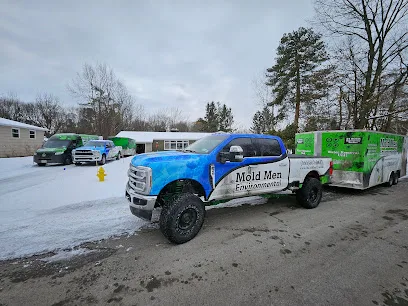
Mold remediation is rarely solved by “spraying and scraping.” For homeowners in the Rochester area choosing a contractor like Mold Men Environmental, the safer decision starts with the project scope: what will change in your building, what stays in the work zone, and how the team proves the moisture problem is actually over.
For reference, Mold Men Environmental lists its contact details as 10 Malin Ln, Penfield, NY 14526 and phone +1 585-503-0457, with an official site at https://moldmenenv.com/. Regardless of which company you call, use the same scope-based checks so you can separate contained, documented remediation from guesswork.
1) Start with the water damage pathway, not the visible mold
Before any mold is removed, a knowledgeable contractor should explain the “why” behind growth: what leaked, where the moisture traveled, and how long materials likely stayed wet. If the discussion focuses only on the affected surface without addressing the moisture source (a plumbing leak, ice-damming, roof infiltration, or a damp crawlspace), the mold can return even after cleanup.
2) Confirm that containment matches your actual layout
Containment is not a generic promise. Ask how the work area will be sealed and controlled for cross-contamination—especially if multiple rooms, hallways, ducts, or finished ceilings are involved. If the plan doesn’t name the boundaries (for example, which rooms or floors are included), it’s hard to believe the spores won’t spread during removal.
3) Demand job-specific drying and verification
Demolition and removal may be part of remediation, but drying is the long-term solution. The scope should describe how wet building materials will be dried and how the team will verify that drying is complete (not just “we ran fans”). Look for documentation that drying measurements are checked over time and that materials are brought back toward a safe moisture range.
4) Use the inspection outputs to guide what gets removed
Good remediation decisions are driven by inspection findings, not by what can be seen. Ask how the contractor determines whether materials like drywall, insulation, or flooring are impacted beyond the obvious growth. If they can’t explain why certain materials are removed (and why others are left in place), you may end up paying for unnecessary demolition—or worse, leaving contaminated materials behind.
5) Clarify the sequencing: stabilization, removal, cleaning, then clearance
A real scope reads like a sequence. In water-damage mold cases, remediation often includes stabilization, removal of affected materials, cleaning inside the containment, and finally verification/clearance steps. If the contractor jumps straight from “we’ll remove mold” to a quote without discussing sequencing, drying verification, and post-remediation checks, the project can drift.
6) Ask for details on protective practices during remediation
Even when the work is professional, the dust and debris created during mold cleanup can be a risk. Ask what safety practices are used for workers and occupants: how the area is protected, how materials are handled, and how dust is controlled. Mold remediation should feel like a controlled process, not open demolition.
7) Don’t ignore documentation—especially if insurance is involved
If the mold began after a documented leak or storm event, you’ll want paperwork that ties the remediation plan to the cause of water damage. Mold Men Environmental’s site mentions helping with insurance claims and handling damage caused by water. Whether you use their services or another contractor, request the same type of clear, written scope so you can support why remediation was necessary and what was completed.
When you evaluate Mold Men Environmental in Penfield—or any mold remediation contractor—don’t rely on reassurances alone. Confirm the moisture cause, containment boundaries, drying verification approach, sequencing, and documentation before work begins. A sound scope is what protects your home after the mold is gone.
More field postings
- Property Recovery 911 in Philadelphia: Decide Between a Mold Report and Remediation Property Recovery 911 lists mold remediation and water mitigation in Philadelphia. Use this guide to define whether the next decision is ins…
- DryDocs Restoration in Philadelphia: Connect Water Damage to Mold Remediation Scope DryDocs lists water extraction, structural drying, water damage restoration, and mold remediation. Use those service signals to clarify wher…
- MSR Restoration in Philadelphia: Prepare for a Mold Inspection Report Use MSR Restoration’s published inspection and remediation sequence to prepare a useful mold assessment, understand its limits, and decide w…