Home Field postings Mold Remediation Guides
How to Compare Mold-Remediation Estimates That Describe Different Work
Compare mold-remediation estimates by matching affected areas, included tasks, work sequence, completion criteria, and conditional costs—not by headline total alone.
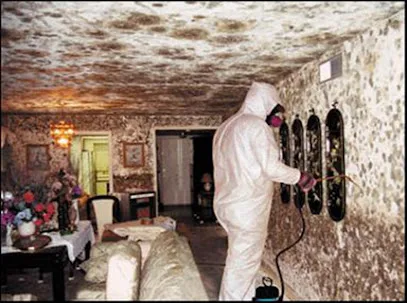
Two mold-remediation estimates can have different totals because they describe different jobs. A fair comparison starts by aligning the affected areas and tasks, then examining sequence, completion criteria, and costs that depend on conditions discovered during the work. A lower number is meaningful only when you can see what it covers.
First make sure the estimates cover the same job
List each room, surface, or material named in every proposal. Note whether the estimate addresses only visible damage or also identifies adjacent and concealed areas for later assessment. If one document names a basement wall and another describes the basement generally, those phrases may not define the same scope. Record each item as included, excluded, or conditional; an unstated item is not automatically included.
Separate the kinds of work as well. Inspection, removal of affected material, cleaning, and repair or rebuilding are distinct tasks. One estimate might price remediation and leave replacement finishes outside its total, while another might include a repair allowance. A simple side-by-side table makes that difference visible without guessing. For a neutral local directory reference as you organize options, see Eco Pro Restoration’s detail page.
Compare the work sequence, not just the task labels
Read each proposal from beginning to end and map the order of work. Look for how it connects the moisture problem with cleanup and any later repair. If water is still entering or a leak remains unresolved, closing affected materials behind new finishes can leave the underlying condition unaddressed. The estimate should make clear where moisture-source work sits in the proposed sequence, even if another party is responsible for that work.
Similar labels can also conceal different endpoints. Mold cleanup or removal describes work on affected materials; restoration may include putting damaged building finishes back. Those are related but not interchangeable scopes. In a hypothetical comparison, Proposal A prices removal and cleaning, while Proposal B includes those tasks plus replacement drywall and paint. The larger total does not by itself make B excessive, and A is not a bargain for a homeowner who still needs the omitted repairs. Compare dependencies, too: repairs may be scheduled only after cleanup or another defined condition is met.
Define what completion means for each proposal
A useful estimate identifies the materials or areas to be addressed and describes the condition that marks the end of the contracted work. That endpoint helps distinguish a defined work plan from a broad promise such as “take care of the mold.” Compare whether each proposal says what will be cleaned, removed, or left in place, and how the completed tasks will be recorded. A written description of work performed gives both sides a shared reference if the project changes.
Also distinguish documentation from a separate inspection or testing service. A proposal may include a work summary but list post-remediation inspection or sampling separately; another may define a different verification approach. Those items should be compared as line items and purposes, not assumed to be equivalent merely because both use the word “clearance.” The endpoint describes the scope and condition of the contracted work; it is not a guarantee of a particular health outcome.
Use conditional costs to identify the remaining decision
Find every allowance, unit rate, exclusion, or added-work clause that could change the initial total. For each conditional cost, identify the assumption behind it and the observation that would trigger a change—for example, an area not accessible until a finish is opened. This turns a vague possibility into a visible decision point. The initial figure then remains useful, but only alongside the conditions that could expand the work.
Compare how each estimate handles approval before extra work proceeds: does it describe how the added task and its price will be presented, or does it leave the process unclear? In a hypothetical pair of bids with similar base totals, one leaves a substantial adjacent area undefined while the other states when that area would be assessed and how a change would be documented. Neither price wins automatically. The more useful comparison is what each total buys now and which unresolved condition could alter it. Once the areas, tasks, sequence, endpoint, and conditional decisions are aligned, the difference between estimates becomes a difference you can explain rather than a number you can only guess about.
More field postings
- What to Document During Water-Damage Restoration A dated record of damage, drying updates, and restoration work can help you follow water-damage remediation and organize information for lat…
- SERVPRO Allentown: Decide When Water Damage Becomes a Mold Scope For Allentown property owners, connect the water-damage history to the mold question, then clarify what inspection, containment, and remedia…
- Which Belongings Can You Clean After Mold or Water Damage? Decide what to clean or discard after mold or water damage by weighing material, hidden layers, and whether the item can be cleaned and drie…