Home Field postings Mold Inspection & Remediation
Mold Inspection, Testing and Moisture: A Trenton Homeowner’s Guide
Understand when mold sampling is useful, why moisture correction matters, and how to define cleanup work when discussing a local remediation project.
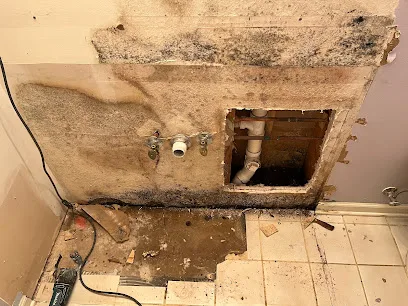
Mold inspection, mold testing and remediation do different jobs. An inspection looks for growth and the moisture conditions behind it; testing answers a specific sampling question; remediation removes contamination and addresses the water problem that allows it to return. For a homeowner comparing services around Trenton and Hamilton, choosing the right job starts with the condition of the building, not with automatically ordering a test.
Trace the moisture before choosing a cleanup method
The U.S. Environmental Protection Agency identifies moisture control as the key to controlling indoor mold. A repaired-looking wall is not a lasting result if a leak, condensation or water intrusion continues to wet it. Note where the dampness appears, when it started, whether it follows rain or plumbing use, and which materials have been affected. Photographs and a short timeline can help explain the pattern to a contractor without guessing at a hidden cause.
For a local service discussion, the Better Business Bureau profile for Dynamic Remediation Solutions Inc. lists water-damage restoration, mold inspection and testing, and water-intrusion inspection. Its listed telephone number is 888-396-7367. These are different service categories: describing a recurring wet area calls for a different initial conversation from requesting the removal of already visible growth. Explain the observed problem before deciding which work belongs in a proposal.
Understand when sampling adds useful information
According to EPA guidance, sampling is usually unnecessary when visible mold growth is already present. There are no federal limits for mold or mold spores, so a sample cannot establish compliance with a federal numerical threshold. That makes the purpose of a proposed test important. A number alone does not tell you which moisture source needs repair or which damaged material needs attention.
Testing can still have a specific role. EPA notes that surface sampling can help assess whether an area has been adequately cleaned, and that professionals with appropriate experience should design and interpret sampling. Before paying for it, identify the question the result is meant to answer and how it will change the work. Keep that question separate from the visible condition: a room that remains wet still needs its water problem addressed regardless of a sampling discussion.
Match the scale of the damage to the cleanup work
EPA describes an area smaller than about ten square feet as one that a homeowner can often handle using its cleanup guidance. For larger areas or substantial water damage, EPA recommends consulting its more detailed remediation guidance. When sewage or other pollutants have contaminated the water, it advises calling a professional experienced in cleaning and fixing buildings damaged by contaminated water. Health concerns are another reason to consult an appropriate health professional before participating in cleanup. The size of a visible patch is therefore only one part of the decision.
The affected material also matters. EPA advises scrubbing mold from hard surfaces with detergent and water and drying them completely. Absorbent materials such as ceiling tiles and carpet can be difficult or impossible to clean thoroughly and may need disposal. Painting or caulking over mold is not a substitute for removal and drying. A useful scope of work distinguishes cleaning, removing damaged materials, and correcting moisture rather than grouping everything under a vague promise to treat the room.
Define what completion should look like
Before work begins, separate the water-source repair from the cleanup tasks and identify who is responsible for each. Record the affected areas and materials, the proposed work, and the condition that will count as completion. If sampling is included, keep its purpose and interpretation in that same record. This gives you a way to compare the agreed work with the result rather than relying on a new coat of paint or the disappearance of a stain alone.
EPA’s completion guidance combines several checks: the water or moisture problem has been fixed, mold cleanup is complete, visible mold and moldy odors are absent, and a later visit shows no renewed water damage or growth. For a follow-up inspection, record whether these conditions hold in each previously affected area. If dampness or growth returns, investigate the moisture problem before covering the surface.
More field postings
- SERVPRO of Jersey City North, The Heights: Define Mold Work After Water Damage A Jersey City property owner can use SERVPRO’s published mold and water-damage services as a starting point, then confirm inspection finding…
- PuroClean of Newark: Define Mold Remediation Scope After Water Damage A practical way for Newark-area property owners to connect water-damage findings, moisture mapping, and mold-remediation boundaries before w…
- SERVPRO Team Davis in Allentown: Set the Mold Remediation Scope After Water Damage A practical way to assess mold remediation needs after water damage, using the local Team Davis listing and its published service context to…